Melbourne Homes: A Guide to EV Charger Installation Costs
Charging at home is the biggest reason an electric car costs less to run than a petrol car, yet installation costs differ between houses more than most people assume. Two houses on one street can receive quite different quotes, and the cause is nearly always physical: the switchboard's location, the distance the cable must cover, and whether there's space on the current board for an extra circuit. Here we go through each factor that shifts the price, so you understand what you're paying for and which parts you can control.
How far the parking spot is from the switchboard
Cable length and route make the biggest difference. If the charger goes on a garage wall just two metres away from the board, the job is short. On a double block where the charger sits at the far end of the driveway, or on the other side of a double-storey home, the run is far longer, often with conduit, trenching or work inside cavities.
How hard the route is counts just as much as its length. An open roof cavity is fast. A heritage frontage that can't be chased, brick walls that have been rendered, or a slab home without any access under the floor all mean more labour and materials.
If you're flexible about where the charger goes, mention it to your electrician when quoting. Shifting it a couple of metres to follow a cable path that's already there can make a real difference to the price without changing how you use it.
Switchboard capacity and whether it needs upgrading
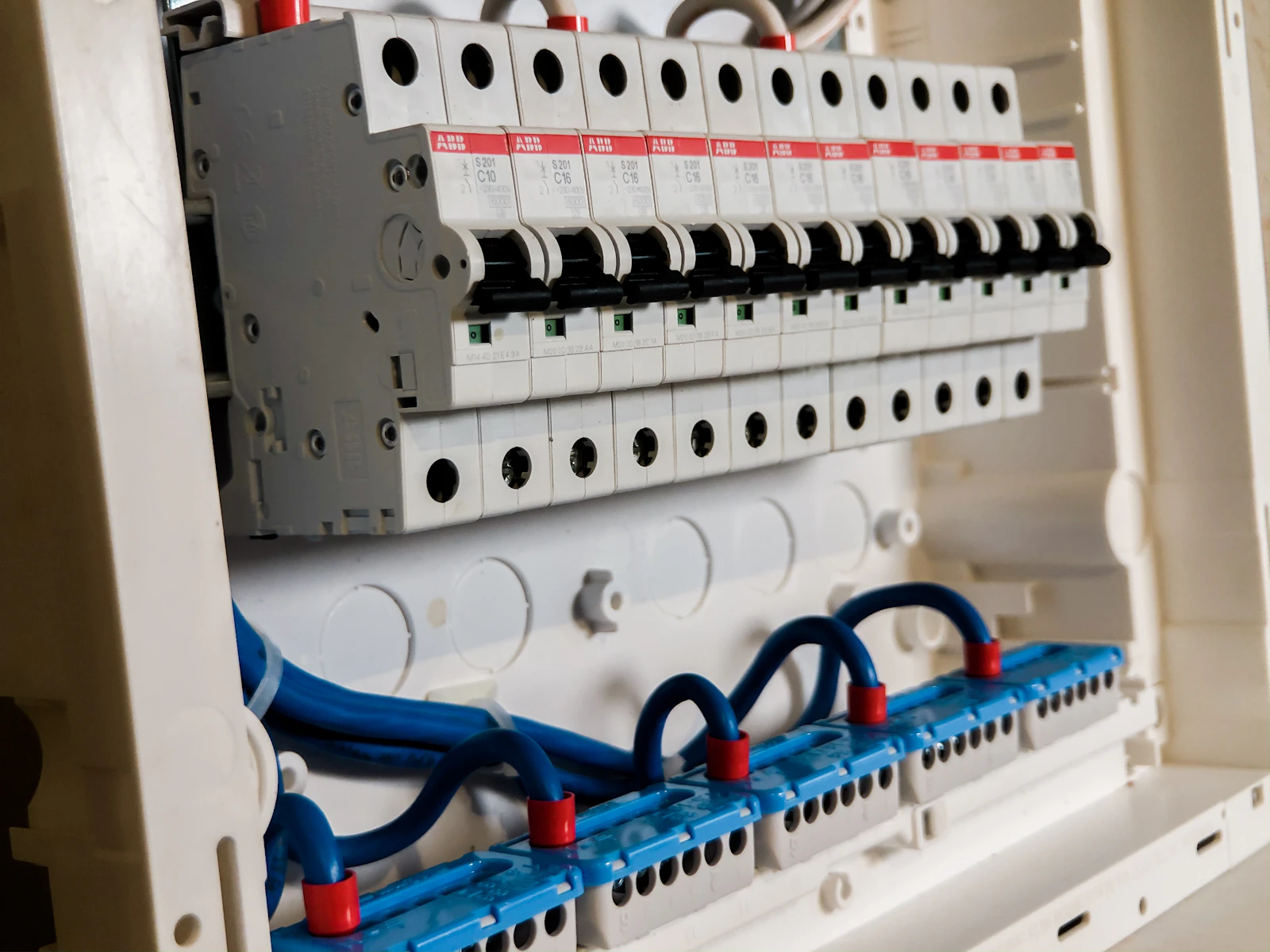
An EV charger needs a circuit all to itself, separately protected. If there are spare poles on your board, proper RCD protection and a main switch with healthy capacity, the circuit is just added. Where the board has no room left, still uses ceramic fuses or lacks safety switches, it has to be upgraded first.
We also assess the load. Putting a 7kW charger into a house that already runs an induction cooktop, an electric oven and ducted air conditioning can take maximum demand beyond what the supply comfortably handles. In some cases the fix is a board upgrade, and in others it's smart load management built into the charger, which costs less.
If your board is showing its age, our article covering What Drives Switchboard Upgrade Costs? sets out what a combined job tends to involve, and doing the two together saves you paying for two mobilisations.
Single-phase or three-phase
Melbourne homes are mostly single-phase. On that supply, a 7kW charger puts back about 40 to 50 kilometres of driving range every hour. Left plugged in overnight, that comfortably handles the daily driving of nearly every household.
Charging on three-phase, at as much as 22kW, is about three times faster, but only when your car takes three-phase AC, and many cars don't. If three-phase supply is already connected to your home, it's worth a look for big batteries or households with two EVs. If it isn't, it's seldom worth bringing three-phase in just for charging.
Checking this is easy: figure out how many kilometres you usually drive a day and how long the car usually spends parked at home. If single-phase charging overnight handles that with plenty left over, put the money into a better charger or a neater install instead of speed you won't need.
The charger itself
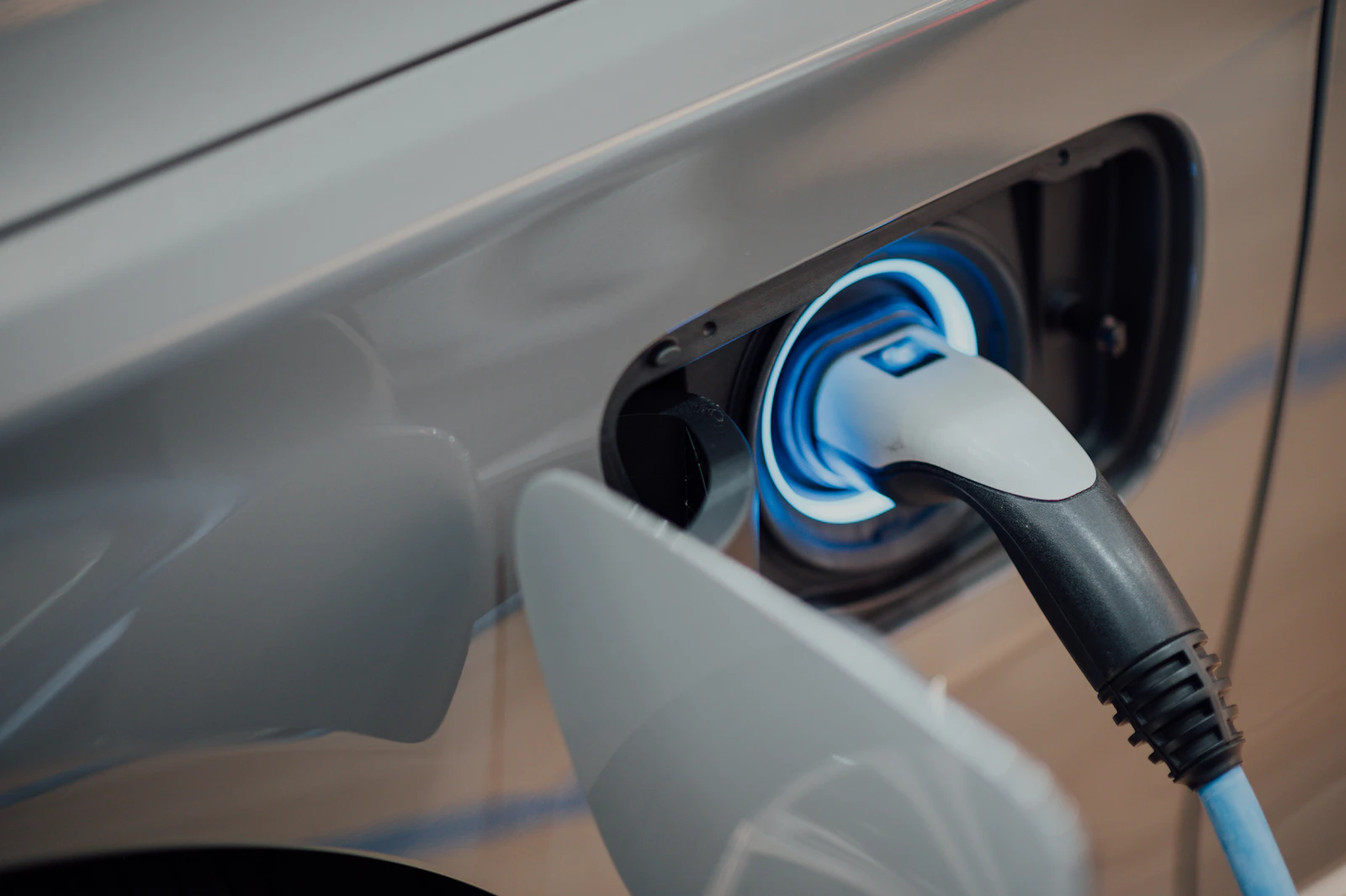
Charger pricing depends on the brand, on whether it has a socket (untethered) or a cable attached (tethered), and on features. Smart units add scheduling, app control, load management, solar diversion that lets the car run on surplus PV, and sometimes support for open charge point protocol to cope with future tariff changes.
For homes with a good-sized rooftop system, the feature that earns its money back quickest is solar diversion, since it moves charging into daylight hours, using power that would otherwise go to the grid for only a low feed-in rate.
For outdoor installs the weather rating matters. A unit fixed to an exposed carport wall needs a suitable IP rating and, ideally, some cover, as heat and driving rain wear out cheap hardware faster.
What's in a compliant install
Doing it properly involves more than fixing a box to the wall. It covers assessing the site and calculating the load, a dedicated circuit with cable sized correctly, the RCD type required for DC fault protection, labelling and isolation at the switchboard, plus mounting and termination, then testing and commissioning with your car.
Each install has to meet AS/NZS 3000 along with the wiring rules for electric vehicle supply equipment. The work itself is for an electrician holding an A-Grade licence. Anything less puts your insurance and your car's warranty at risk.
When the job's finished you should be given a Certificate of Electrical Safety. File it with your house paperwork, since insurers and buyers will ask to see it. Everything above is part of our EV charger installation service, with a fixed price agreed before work begins.
Timing, rebates and apartment installs
A simple install takes half a day. A longer cable run, a switchboard upgrade or an outside trench means a full day. We try to finish it all in a single visit so you don't lose power or your car park twice.
Rebates and incentives for home charging change every so often, so check what Solar Victoria and the federal listings currently offer before buying. We can provide the paperwork installers are typically asked for.
Townhouses and apartments need approval from the owners corporation and often a metering setup so the correct lot pays for the charging. We handle plenty of these jobs in denser areas such as Richmond and Melbourne CBD, and can write up the technical detail for your committee.