Safety Switch Keeps Tripping? Here's Why
Safety switches trip when they sense current leaking where it shouldn't, frequently to earth through damp wiring, a damaged appliance or a person. That's the protection it was fitted to provide, so resetting it over and over without tracking down why is the wrong move. Below we explain how a safety switch differs from a circuit breaker, how to pin down the culprit yourself in roughly ten minutes, and when you should stop and bring in a licensed electrician.
Fuse, circuit breaker or safety switch: find out what tripped
Circuit breakers guard the wiring against short circuits and overload. One trips when current gets too high, normally because one circuit has too many appliances running or an appliance has an internal failure.
A safety switch, also called an RCD, is there to protect people. It compares current in the active and neutral and cuts the power in around 30 milliseconds if it picks up even slight leakage to earth. It's what saves someone who drills into a cable.
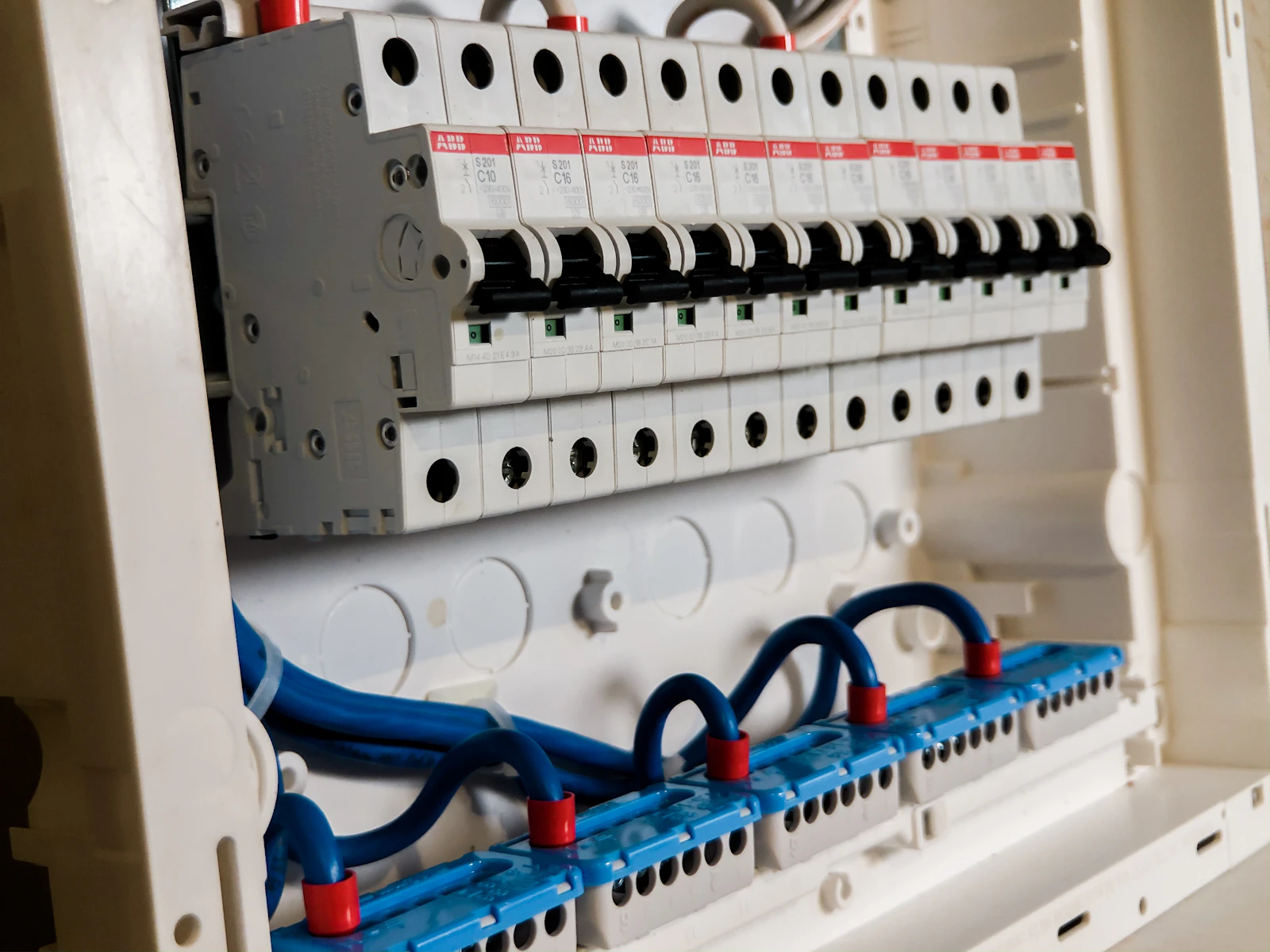
Modern boards normally use RCBOs, which put both into one module. Knowing which device went off narrows down the cause straight away, so before you reset anything, check the board and write down exactly which switch has dropped and what its label says.
Most common reasons for nuisance tripping
Faulty appliances top the list. Toasters, kettles, washing machines, old fridges, dishwashers and any appliance with a heating element start to leak small amounts as the element wears. On its own each may be fine, but the leakage added together on one circuit can go over the trip threshold.
Moisture comes next. Water inside an outdoor power point, a roof leak dripping on a ceiling rose, a garden light that's flooded or condensation in an outside junction box will all set off an RCD, which is why trips so often show up the morning after a heavy downpour.
Third is damaged cable, whether a screw or nail through a cable in a wall, rodents in the roof, or old insulation gone brittle. Fourth is a circuit that's truly overloaded, and fifth is the RCD itself failing, which can occur once it has been in service for 10 to 15 years.
Tracking down the culprit yourself in ten minutes
First unplug everything on the circuit that's affected, then flick the safety switch back on. If it holds, plug the appliances back in one by one, leaving a minute between each. Whichever one trips it is the culprit, and it needs to be repaired or replaced, not moved to another power point.
If it won't reset even with nothing plugged in, switch off every individual circuit breaker, reset the RCD, and turn the breakers on again one at a time. The breaker that trips the RCD shows which circuit has the fault.
If it only trips in particular conditions, take note of the pattern. Only in rain suggests water getting in outdoors. Only as the oven preheats suggests an element on its way out. Only at night suggests a timer or outdoor lighting. Those notes save a lot of diagnostic time when we come out.
When to stop and get an electrician
Call straight away if you can smell hot plastic or burning, see discolouration or scorch marks on an outlet or switch, feel heat on the switchboard or a power point, hear crackling or buzzing, or get a tingle from a tap or any appliance. Switch the affected circuit off and keep it off.
It's also time to call if the safety switch won't stay on even with all circuits isolated, if it keeps tripping again within minutes, or if several circuits are affected together. These suggest a fault in the protective device itself or in the fixed wiring.
Don't ever bypass a safety switch that's tripping, tape a breaker on, or fit a higher-rated device in its place so the problem goes away. Doing that takes away the protection but leaves the fault, and that's how electrical fires begin.
What professional fault-finding involves
We begin at the switchboard, check which device is operating, and confirm it's working properly using an RCD tester that measures the real trip current and trip time. If a device trips well below its rating, it's faulty and we replace it.
Next we isolate the circuit in question and measure insulation resistance across active, neutral and earth. The reading shows whether the leak sits in the fixed wiring or further down in appliances, and it does that without guesswork. Clamp meters let us measure the standing leakage circuit by circuit, picking up the built-up appliance leakage behind intermittent trips.
From that point we follow the circuit physically, checking terminations, accessories and the roof space until the fault turns up. Before going ahead we give you a fixed repair price, and afterwards we test the circuit again and provide a Certificate of Electrical Safety. That entire process is what our electrical fault finding service covers, and it typically takes one to two hours.
Stopping trips from coming back
Every three months, test each safety switch by pressing its test button. It should trip straight away. If not, it has to be replaced. Most households never do this two-minute job.
Where you can, spread heavy appliances over different circuits, keep outdoor power points closed and covered, and replace ageing appliances instead of nursing them along. If one shared safety switch protects your whole board, upgrading to individual RCBOs means one failing appliance won't black out the whole house.
If your board is so old it has no safety switches whatsoever, that comes first. Have a look at our switchboard upgrades page, or ring Electric Electrician on 0468 515 481 to arrange a fault-find on the same day, anywhere across metro Melbourne. Our safety switch installation service handles adding RCD protection to unprotected circuits or replacing a faulty unit.