Victorian Rentals: Smoke Alarm Compliance Rules
Smoke alarms are the part of rental compliance that only gets examined once something has gone wrong, and that is the very moment you don't want holes in your records. Ever since the Victorian rental reforms came in, each rented home in the state must have working smoke alarms fitted in the correct positions, tested no less than once a year, and fixed or replaced straight away if they fail. Below we cover what the rules really ask for, where the alarms need to go in a typical Melbourne home, and how agents and landlords keep proof that holds up if anyone ever challenges it.
What Victorian rules ask of landlords
The Residential Tenancies Regulations require a rental provider to make sure each smoke alarm in the home is properly installed and working, to test every alarm at least once in any 12 months, and to replace an alarm that fails a test or is past its expiry date. In battery-powered alarms, the batteries also need changing every year.
On top of this, the rental provider must give the renter written details on how the alarms operate and how they can be tested, and an alarm that stops working has to be fixed as an urgent repair. Urgent is meant literally: it sits alongside a dangerous electrical fault or a burst pipe, rather than being left until the next routine inspection.
Renters carry responsibilities as well. They can't interfere with or take down an alarm, and they must let the rental provider know the moment an alarm becomes faulty. In practice, this calls for an obvious way to report problems and a quick reply when a tenant phones about beeping, or about a red light that no longer flashes.
Where alarms need to be fitted in a Melbourne home
Placement is governed by AS 3786 and the Building Code, and the requirements vary with the age of the home. Each storey of every property needs a minimum of one working alarm. In a single-storey home, alarms are placed in the hallway or along the path to the exit, separating the bedrooms from the other living areas. If the bedrooms are in separate parts of the house, each of those hallways needs its own alarm.
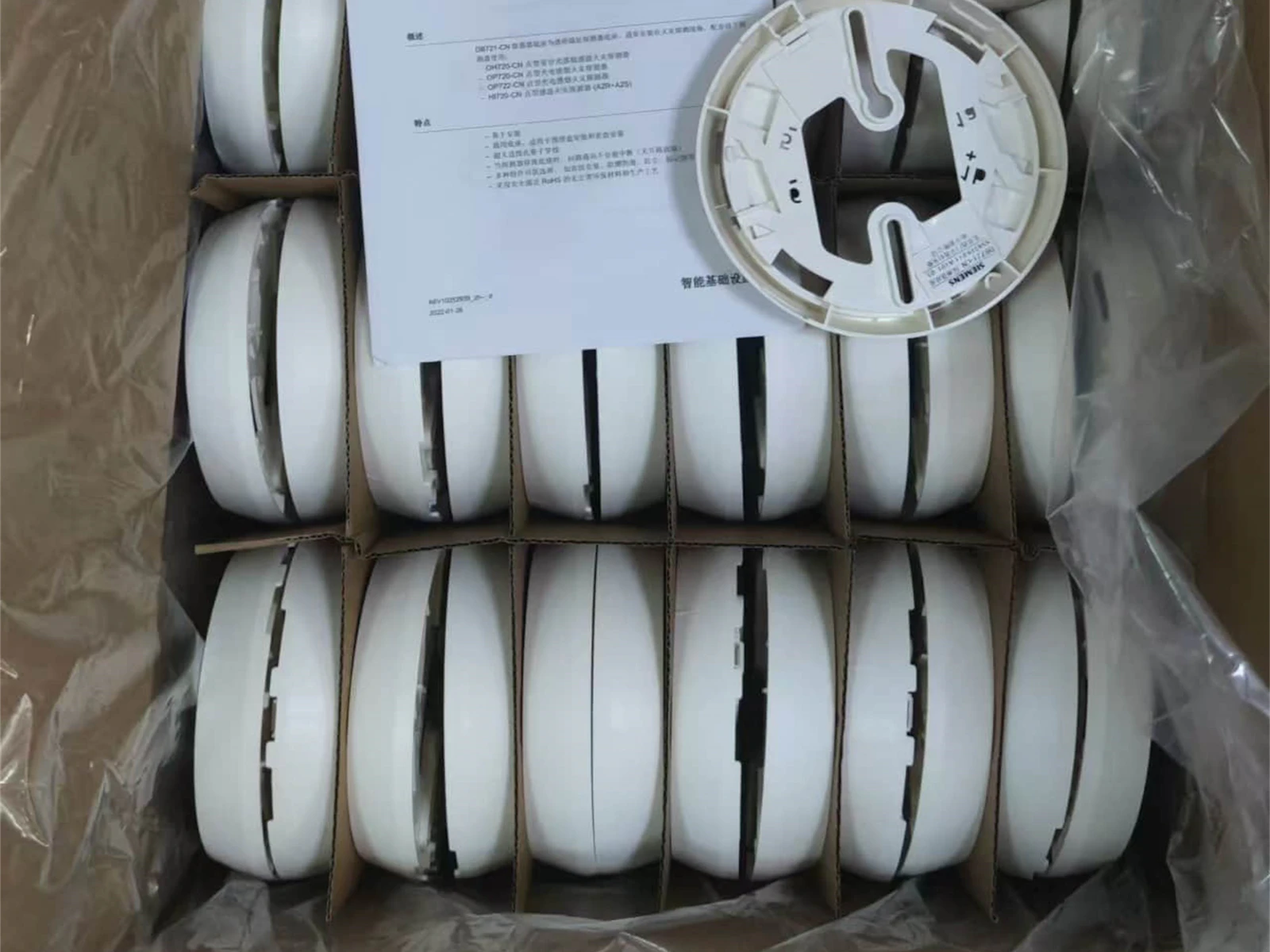
Any home built after August 1997, or substantially renovated since then, needs hardwired alarms with battery backup that run off the property's circuits instead of a nine-volt battery. Newer homes must also have interconnected alarms, so they all go off when any one is triggered. For a two-storey property, interconnection is the biggest single safety gain, since a smouldering fire on the ground floor will wake the people sleeping above.
Some placement pitfalls are worth knowing about. Put an alarm too near a laundry, bathroom or kitchen and it gives nuisance alarms, so annoyed tenants disconnect it. In the peak of a cathedral ceiling, an alarm can end up in dead air. Air movement can affect alarms within 400mm of a ceiling fan, a light fitting or an air conditioning outlet. Choosing the right spots from the start saves the phone calls down the track.
Photoelectric versus ionisation alarms
Australian fire authorities recommend photoelectric alarms for homes. These react more quickly to slow, smouldering fires that begin in bedding, furniture and electrical wiring, the kind most likely to break out overnight while everyone is sleeping.
Ionisation alarms pick up fast-flaming fires more quickly, but they are much more likely to go off from steam and cooking, which is why so many get pulled down from the ceiling. If old ionisation units remain in a property, a sensible upgrade is to swap them for interconnected photoelectric alarms when the next inspection cycle comes round.
Each alarm has its expiry date printed on the casing, typically ten years after it was made. Because the sensor chamber wears out over time, an alarm past that date isn't compliant, even when pressing the test button still makes it beep. Whenever we visit a property, we check the date on each unit as well as whether it works.
Testing, records and what agents expect
Pressing the button is not the whole of an annual test. A thorough compliance check makes sure every alarm reaches the required decibel level, checks interconnection where fitted, looks at the expiry date, puts in new backup batteries, clears dust out of the sensor chamber and confirms each alarm sits in a compliant spot.
The thing that protects a landlord later is the paperwork. We supply a signed and dated written report that lists each alarm with its location, type, expiry date and test result. Agents keep it on the property file, and it is precisely the document asked for in an insurance claim or a VCAT dispute.
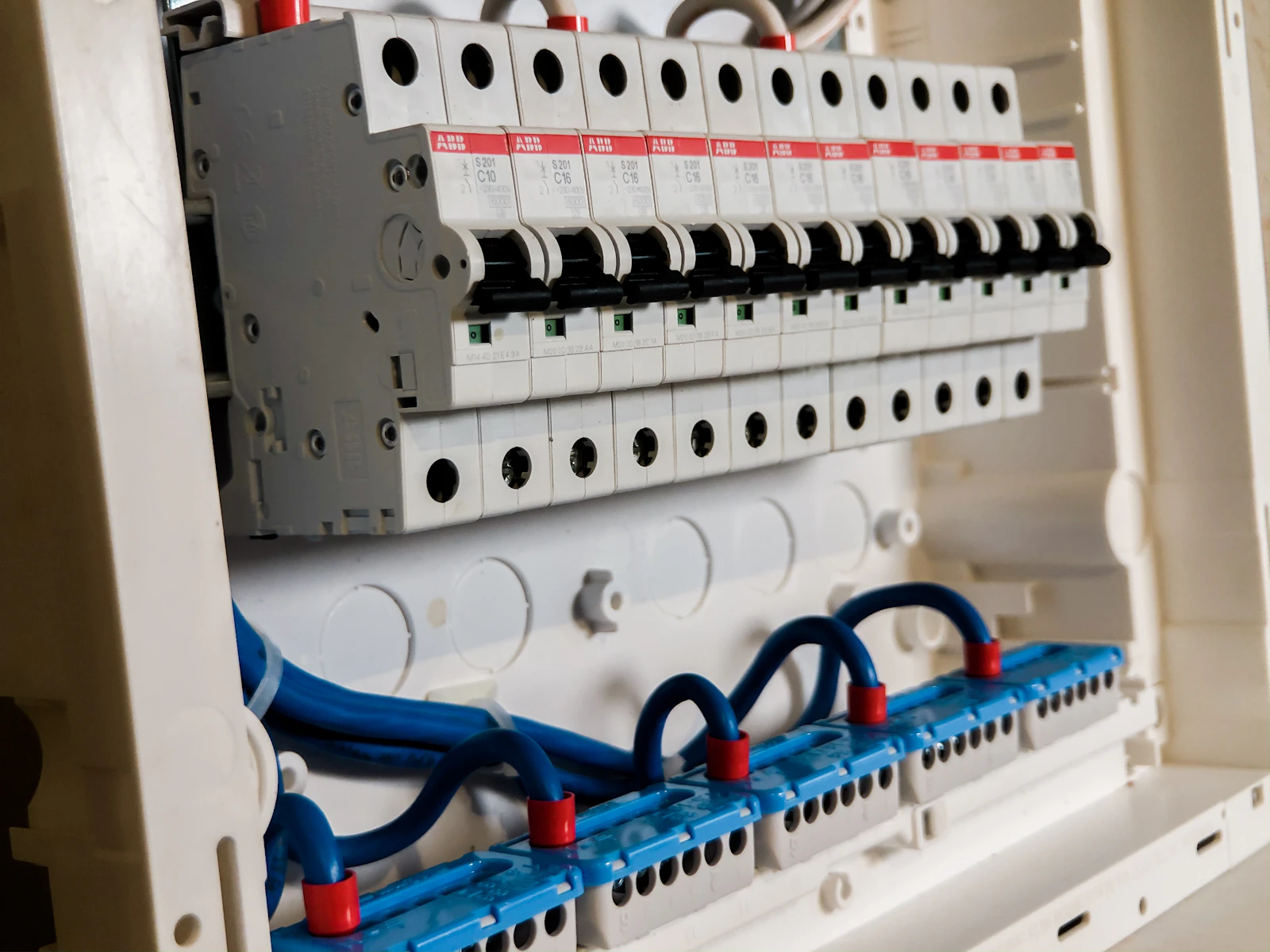
Replacing or moving hardwired alarms counts as electrical work, so we also finish those jobs with a Certificate of Electrical Safety. Testing, replacement and complete compliance reporting are all handled in one visit through our smoke alarm installation service.
Compliance problems we come across
By a long way, the problem we see most is alarms past their expiry date. Properties bought ten years ago and never checked again often have every alarm out of date. Next is gaps in coverage, typically a bedroom extension or a garage turned into a bedroom, where the hallway has no alarm.
Third comes alarms that have been disconnected. A tenant fed up with nuisance alarms during cooking takes out the battery or unclips the alarm from its base. That is a breach by the tenant, yet the property still fails compliance on inspection day, which is why yearly checks are important.
Fourth is a hardwired alarm sitting on a circuit that trips again and again. When the lighting circuit supplying the alarms cuts out, they drop back to battery power and in time go silent without warning. That generally signals a deeper problem, and rather than just resetting the breaker over and over, it deserves proper electrical fault finding.
Booking compliance work around Melbourne
We look after single properties as well as portfolios, and we can arrange access through agents so tenants only need to be home for one visit. Most homes are done in less than an hour. Allow half a day where battery alarms are being replaced with hardwired, interconnected ones.
For anyone managing several properties in the inner west or inner north, we carry out regular compliance rounds in suburbs such as Footscray and Brunswick, where plenty of older units still have battery-only alarms.
Each job gets a fixed-price quote before we visit, and your compliance paperwork arrives on the same day. Ring 0468 515 481 to reach Electric Electrician, or ask for a quote, and we'll set a time that suits your tenants.