
Switchboard
Upgrades
Prahran
Fixed Price.
A cottage board in a side passage and meters in an apartment cupboard need different access plans. The goal is clear circuit protection without confusing the dwelling's equipment with shared building infrastructure.
Prahran Fixed Price.
A cottage board in a side passage and meters in an apartment cupboard need different access plans. The goal is clear circuit protection without confusing the dwelling's equipment with shared building infrastructure.
Trusted brands
 Clipsal
 Legrand
 Mitsubishi
 Daikin
 Fujitsu
 Panasonic
Switchboard Upgrades in Prahran
Single-fronted cottages off High Street and Malvern Road may have their board on a verandah or in a narrow side passage. Party walls and shallow roof space restrict cable options. Choosing new protective equipment is only part of the work: the enclosure position and the cables reaching it must also fit the actual house.
A small circuit count can leave lighting and several appliance loads poorly separated. Moving from fuses to modern protection creates an opportunity to understand that layout. It does not mean extra appliances can be added without considering the cable and incoming supply. The board should serve the household's needs rather than reproduce the original arrangement unexamined.
Flats and shop-top dwellings bring different boundaries. Apartment meters and main switches can sit in a communal cupboard, and wiring beyond the unit may involve common property. Along Chapel Street and Commercial Road, residential wiring above a shop can have been altered repeatedly. The division between supplies should be established before a replacement scope is assumed.
In short
What needs checking before a new board in Prahran?
In terraces, there may not be enough circuits for today's appliances, and apartment work can involve shared property. Any replacement has to consider the condition of the wiring as well as where your equipment ends and the building's begins. With an A-Grade licence and full insurance, we fix the price before starting work, and you receive a Certificate of Electrical Safety at the end of every job.
Make the protection arrangement understandable
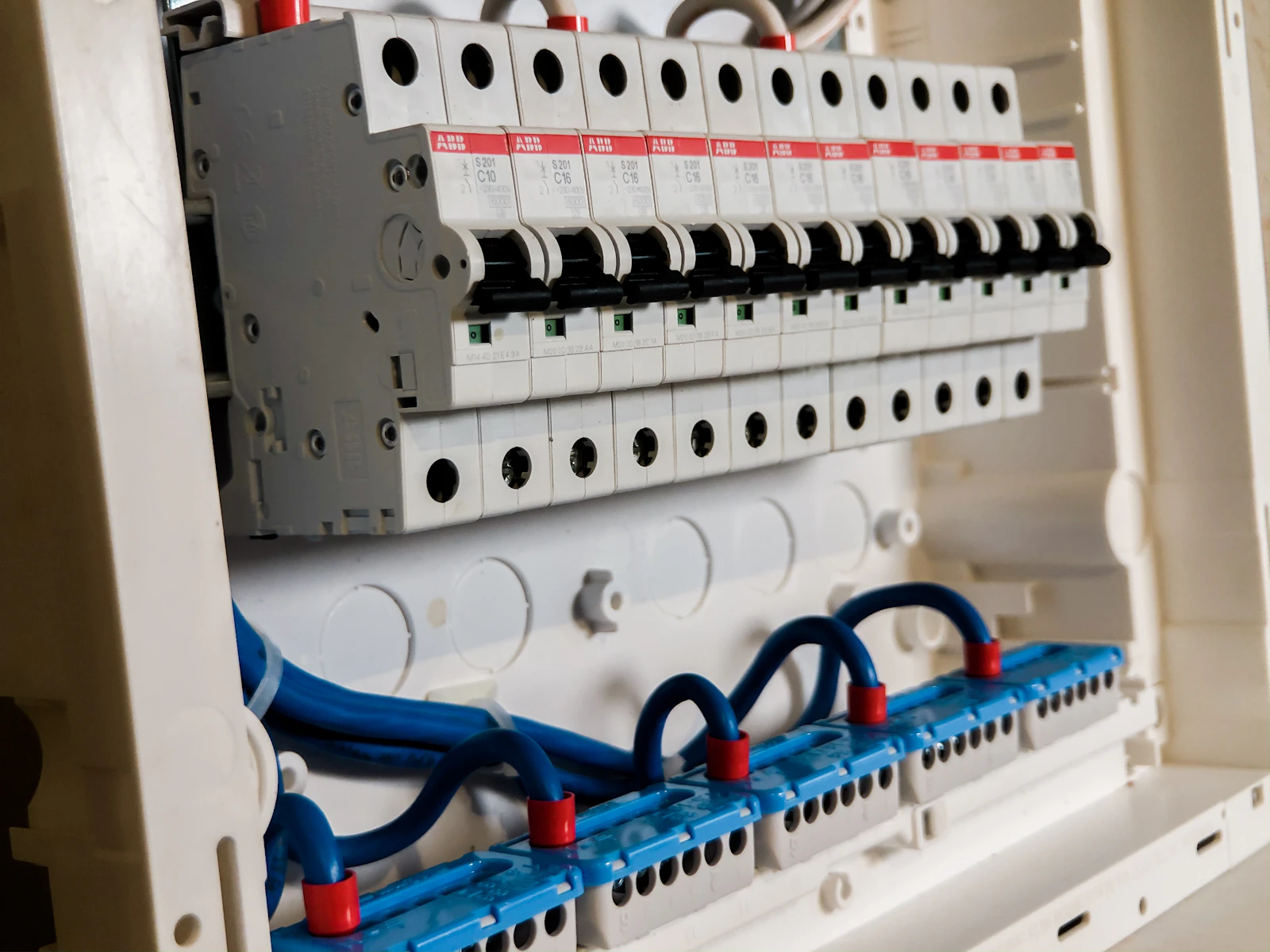
Ordinary breakers protect against excessive current, while a residual current device addresses leakage that may create shock risk. Combined devices can provide both functions on individual circuits. An installation assessment determines the suitable arrangement and ratings. A homeowner should not be left relying on one unidentified switch to guess which part of the dwelling has become unsafe.
Circuit separation also needs suitable cabling. A new device cannot turn one old cable into several independent supplies, or make lighting insulation sound if it has deteriorated. Where more circuits are needed for the way the home is used, their routes and connections need planning as distinct work rather than being implied by a larger enclosure.
Work through tight access before choosing the board position
The verandah or side passage may offer limited working room, but moving the board can require cable changes within an already constrained roof. The route should be considered alongside the mounting position. Original surfaces, shared walls and access to the enclosure each affect the decision. A tidy-looking location is not enough if it cannot be safely reached or wired.
For an apartment, the title and building arrangement determine which parts are private and which are shared. Owners corporation approval may be required when work crosses that boundary. That is different from merely replacing equipment inside a unit. The scope should make the distinction clear rather than assume a grouped meter cupboard belongs entirely to the resident arranging the job.
- Locate verandah and side passage equipment before route planning
- Identify lighting and appliance circuits separately
- Distinguish unit boards from communal meters and main switches
- Consider the supply division in shop-top dwellings
- Keep new labels tied to the circuits they actually isolate
How it works
Stress-free from first call
to power on
Skip the endless emails, the quote chasing and the dodgy pricing. Get in touch today, receive a clear fixed price quickly, and a licensed electrician can often be at your place that same week.

Tell us what you need
Call, message or use the online form in two minutes. Say what needs doing, or what's wrong, and we'll reply promptly.
Get your fixed price
After an inspection, you get one clear all-inclusive price before work begins. The quoted figure is what you pay, with no unexpected extras.
Sit back, job done tidy
A licensed A-Grade electrician carries out your job to AS/NZS 3000, tests each circuit and leaves your home tidier than before.
Decide the scope before adding cooking or cooling
A kettle and heater operating together can expose an overloaded circuit, but repeated trips may also indicate a defect. Protection should not be increased to silence the symptom. The load, conductor condition and circuit arrangement all need checking. An appropriate replacement follows those findings rather than treating every interruption as proof that a stronger breaker is needed.
Renovations around Greville Street and near Prahran Market can involve several electrical stages within one building. Any planned oven, cooktop or additional outlet should be included in the assessment of the relevant dwelling, with shared equipment identified where present. Capacity and ownership are separate questions; both need answers before the proposed board arrangement can be settled.
What every Prahran job includes
- A-Grade licensed electrician, fully insured
- A written, fixed price settled before any work begins
- Work completed to AS/NZS 3000
- Certificate of Electrical Safety on completion
- Lifetime workmanship guarantee
Switchboard Upgrades in Prahran: common questions
Can the verandah board be moved into the side passage?+
Its new position would need safe access, suitable mounting and a viable cable route. A narrow passage or shallow roof can limit the options. Relocation should be assessed with the whole installation rather than chosen solely because the enclosure is less visible there.
Does every apartment upgrade need owners corporation approval?+
Work involving common property or shared supply equipment may need approval. Equipment wholly within the unit can have a different scope, but the boundary should be established first. A cupboard containing several meters is not automatically private property because one meter serves your flat.
Will a safety switch stop a kettle and heater overloading one circuit?+
Residual current protection is aimed at leakage, not simply the total load of appliances. Overcurrent protection and suitable circuit design address excessive demand. The installation needs the right combination of protection, cable rating and circuit separation for the equipment being used.
Should the new enclosure keep all the old labels?+
Only labels that correctly identify the connected circuits should be retained. Renovations can change what a cable supplies without updating the writing on the board. Identification should reflect the present installation so isolation is understandable after the replacement, rather than preserve an outdated room list.